



Svitzer makes the switch to biofuels
Svitzer tugs operating at the Danish Port of Esbjerg are now running on biofuel, bringing together a coalition of port owner, tug operator and clients all sharing the same ambition of becoming carbon neutral over time.
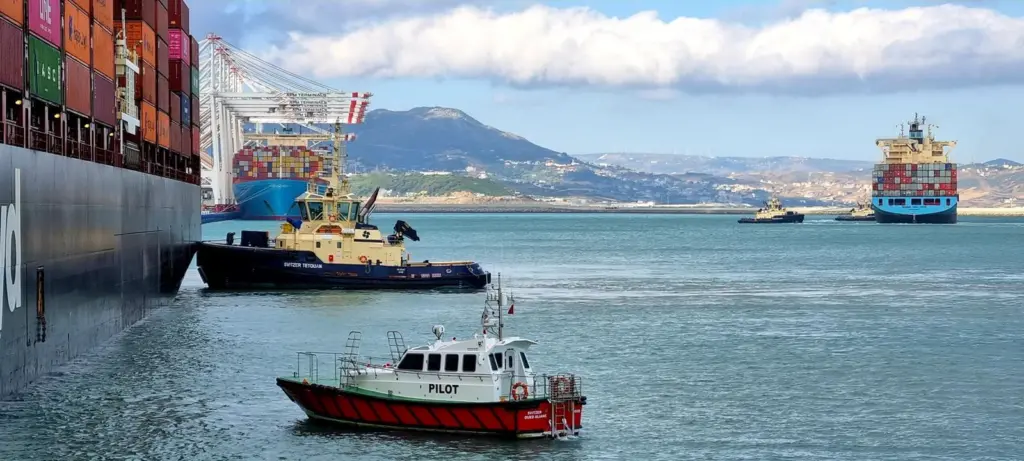
Carbon-neutral ambitions are now common across the shipping industry and for this trio of players, each with different timeline targets, Svitzer says these goals can only be achieved by ‘working with like-minded partners and customers’.
Svitzer is committed to decarbonising its operations, becoming carbon neutral by 2040, while Port of Esbjerg has signed up to the ‘Getting to Zero Coalition’ with its own commitment to become CO2 neutral by 2030.
Esbjerg is a busy intermodal transport terminal with 11 roro ramps, and Grimaldi Lines is one of several regular users of the facilities.
Grimaldi shares the same carbon-reduction goals, committing to significant investments towards that end, including ordering almost 40 ships in the last seven years with CO2 emissions halved compared to previous constructions.
Tugs fuelled with Hydrotreated Vegetable Oil (HVO) as their main fuel source are now serving ships in and out of Esbjerg, Svitzer’s services subject to the Ecofriendly Bunker Adjustment Factor (EcoBAF).
“We consider the EcoBAF approach an essential part of the decarbonisation journey within shipping, where our group plays a central role as one of the leading players in the industry,” said Paul Kyprianou, external relations manager of Grimaldi Group.
Port of Esbjerg acknowledges that transitioning to green biofuels comes with additional costs for its customers using the port facilities, but sees it as a ‘necessary next step’ in the green transition.
The occasional (and understandable) power-hungry nature of shiphandling towage makes the sector an opportunistic testing ground for developing alternative fuels which, as well as delivering a cleaner operation, presents potential opportunities for longer term efficiency gains, offsetting any initial investment costs.
Various options are available to shiphandling tug owners for whom individual operations are seldom alike. Various factors from the profile of the port and its activities to actual availability of alternative fuels will influence the chosen route, and Svitzer has experience in exploring these options.
In 2023 it signed an MoU with Caterpillar Marine to develop dual-fuel methanol engines for new-build tugs, as well as converting existing Caterpillar-powered vessels in its fleet.
In the same year, another MoU between Svitzer, Port of Melbourne, Maersk, CMA CGM subsidiary ANL, Stolthaven Terminals, HAMR Energy and ABEL Energy was signed to explore the commercial feasibility for a green methanol bunkering hub in Melbourne.
Joining forces with the likes of its customers and the ports themselves has the potential for Svitzer to present a coordinated answer involving partners with similar goals.
Related Articles
 MARINE CIVILS
 AUTONOMOUS VESSELS & TECHNOLOGY
 OTHER NEWS