


Salvors step in to save groundings, sinkings and fires
The long-established expertise of the Dutch salvage industry has been demonstrated recently with two of the Netherlands leading contractors reporting diverse operations close to and not so close to their home bases.
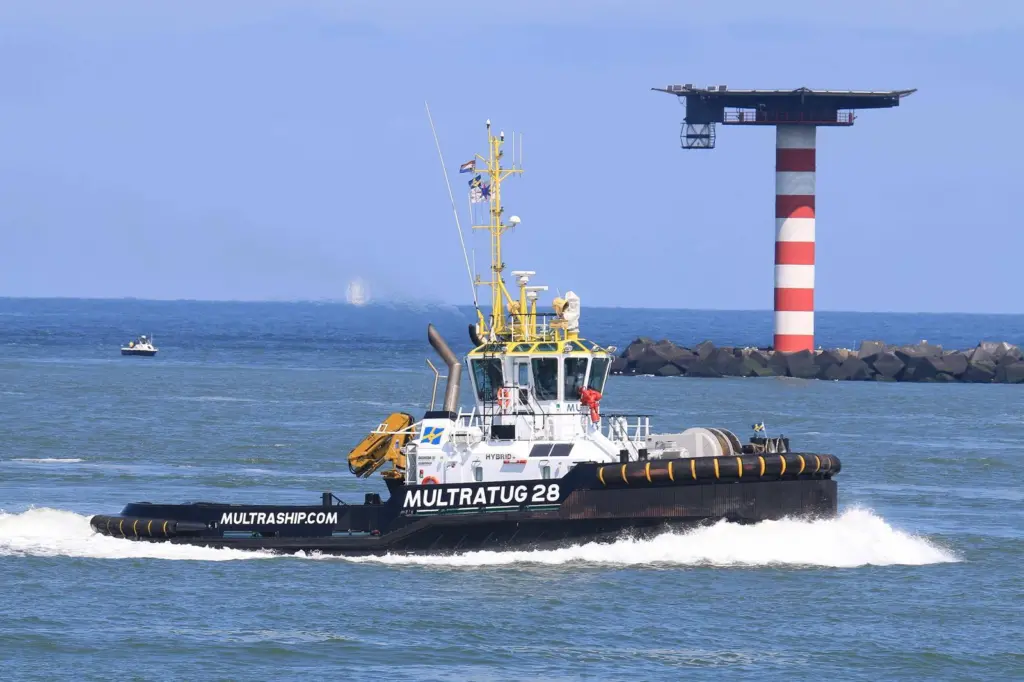
Terneuzen-based Multraship Towage & Salvage is in a prime location to respond to the frequent calls for assistance from ships using the busy and complex passage of the River Scheldt between the North Sea and Antwerp.
Along with URS België NV, Multraship was on hand when the 38,929dwt bulk carrier Banglar Arjan lost power in the vicinity of the Noordzee Terminal shortly after leaving Antwerp.
The tugs Multratug 28, VB Kiwi and Fairplay XIV were mobilised and after establishing a towing connection quickly stabilised the casualty, which was then manoeuvred in the narrowing channel including the ‘Nauw van Bath’ to keep it safe from passing traffic and prevent it grounding.
The vessel was towed to a safe anchorage, where the tug VB Coral remained on standby with the vessel while repairs were carried out. Escort services were provided until the vessel confirmed assistance was no longer required.
Multraship responded to another bulk carrier, Hamburg Eagle, which was ‘not under command’ while outbound near Flushing, Western Scheldt. Tugs Multratug 32 and CMS Warrior were despatched to assist.
The 63,335dwt vessel was laden with wind turbine components at the time, and the tugs quickly connected towlines, preventing it from grounding. The vessel was towed to the Wielingen Noord anchorage where it was redelivered to its owners.
Another notable salvage for Multraship concerned the pusher tug Xander, which started taking on water and sank while on passage to Germany pushing a cement barge. The incident occurred on the Dutch inland waterway system near the Merwede Bridge connecting the provinces of South Holland and Brabant.
After disconnecting the cement barge and pumping out the pusher tug, the latter was lifted onto a barge by floating sheerlegs and transported to a shipyard a day after sinking.
Global Smit
Netherlands-based Smit Salvage is part of the Boskalis group, and with its worldwide presence, including arrangements with partner salvors, features regularly in major global casualties.
Such was the case recently when the fully laden 8,800teu container ship Northern Juvenile reported a serious fire in one of its cargo holds while around 100NM southwest of Banda Aceh, Indonesia en-route from Asia to West Africa.
Without specialist and rapid intervention, fires in container cargoes can quickly spread and become uncontrollable, putting the ship’s crew at serious risk, including from toxic fumes.
With concern that the fire that initially affected containers on the hatch cover may spread to nearby holds, along with associated risks of further damage to the vessel and potential pollution, Smit Salvage was engaged under a Lloyd’s Open Form contract.
Smit’s response was rapid and involved a team of experienced firefighters from its response centres in Singapore and the Netherlands. Four firefighting tugs from local partners were engaged and after several days of on-site operations the fire was brought under control and later extinguished.
Fighting such fires is not restricted to simply targeting the affected area with powerful fire monitors on tugs from a relatively safe distance, and Smit’s teams went from container to container in the worst affected areas, putting out the remaining fires and hot spots.
Latest reports are that the vessel is bound for a designated port of refuge for cargo discharge and further preparations prior to re-delivery to its owners.
In other associated news from Smit, along with other marine salvage contractors, the Dutch salvor is active in the wreck removal business where the reduced value of a ship casualty often calls for a different approach to dealing with the aftermath.
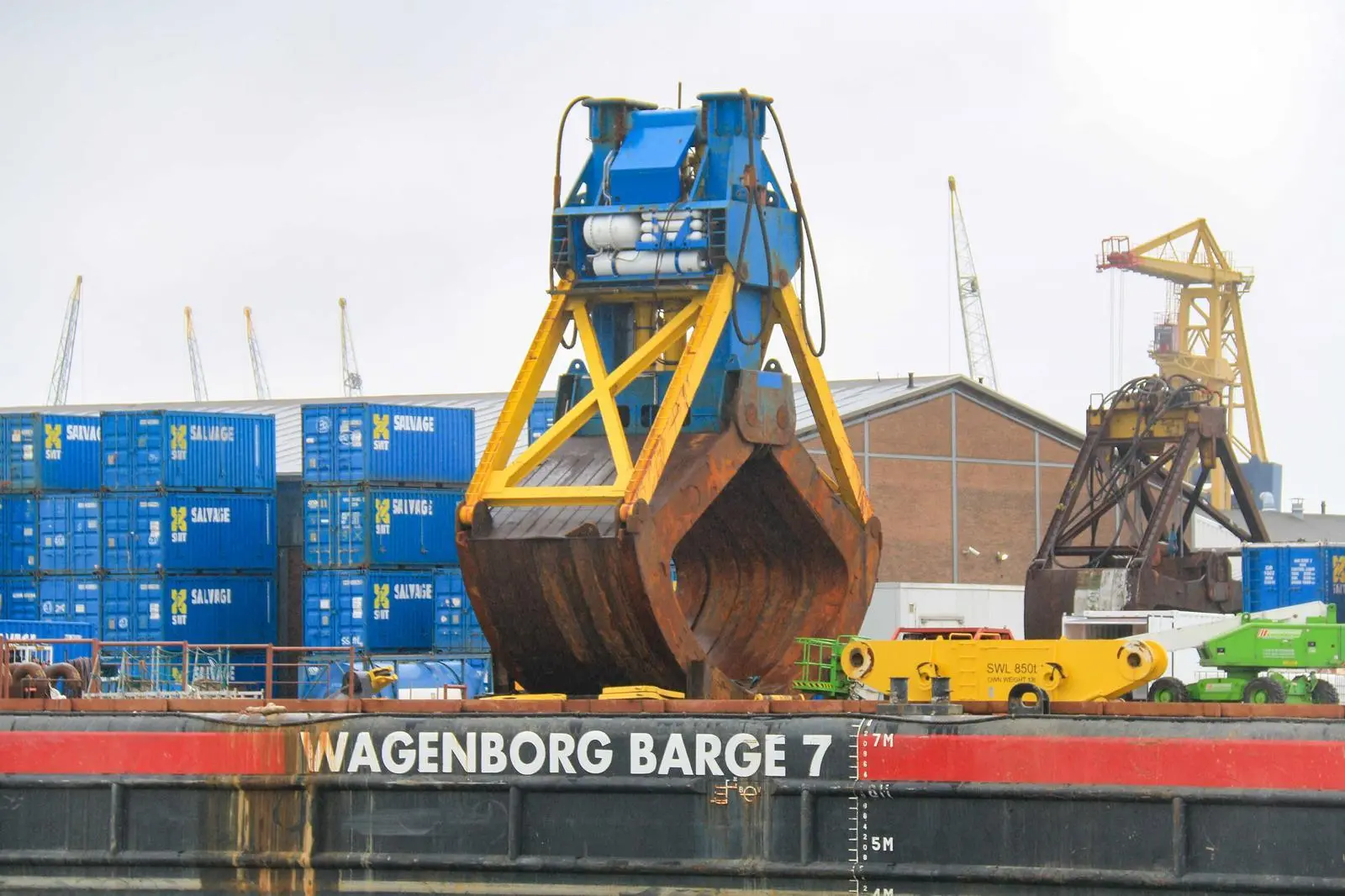
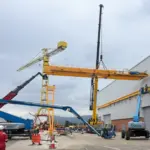
Giant wreck removal grabs are part of the tool kit that can be deployed to remove wreckage and Smit has recently upgraded one of its hydraulic grabs for a wreck removal project in Asia.
Following a comprehensive review process, the grab HDW-1 was redesigned involving replacement of the shells to crush and hold even larger wreck sections. The new grab now has a lifting capacity of 800 tonnes and can apply 1,000 tonnes of grabbing force.
Able to be operated at deep water depths and following an extensive test programme, the refurbished grab is now prepared for its new role.
Related Articles
 OTHER NEWS
 MARINE CIVILS
 AUTONOMOUS VESSELS & TECHNOLOGY