



Remote control for inland waterway vessels
The first hub for remotely controlling inland waterway operations has opened in Germany, cutting costs and the need for so many crew.
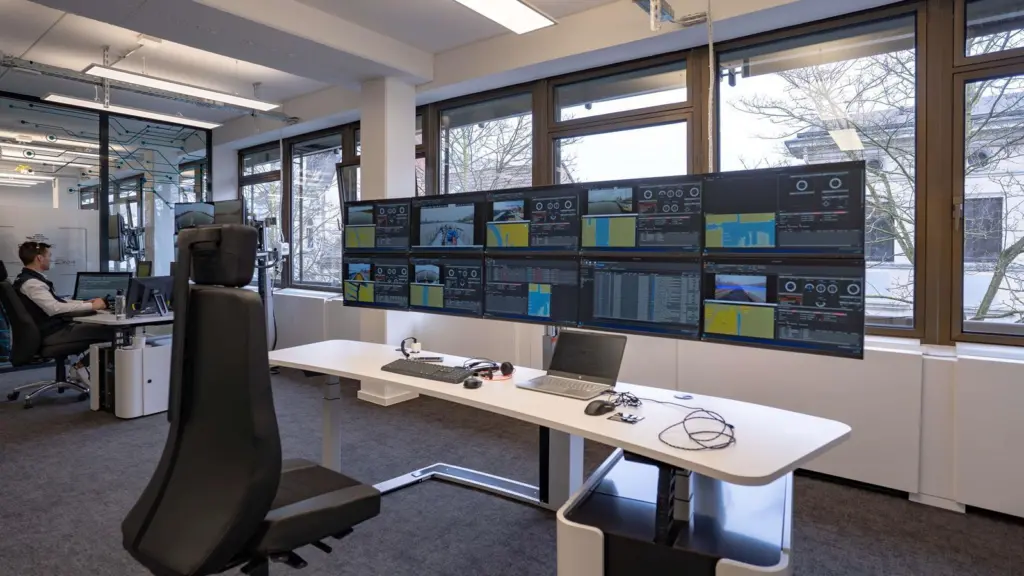
Five vessels have so far been equipped with the necessary technology to be controlled at the centre in the city of Duisburg, which sits on the River Rhine.
A motor vessel, tug-barge system, dry cargo barge and two chemical tankers are the first to have the technology installed, but any vessels, including workboats, could benefit, the project operators say.
One of the main reasons for developing the centre is the chronic lack of qualified captains, said Martin Deymann, founder and managing director of shipping company Reederei Deymann, which has a fleet of 52 tankers and container vessels.
Inland shipping company HGK Shipping, which has 350 company and chartered vessels, is also behind the venture.
Belgian firm Seafar, which develops technologies for unmanned and autonomous shipping, has provided the technology for the centre, and will monitor and operate the navigation.
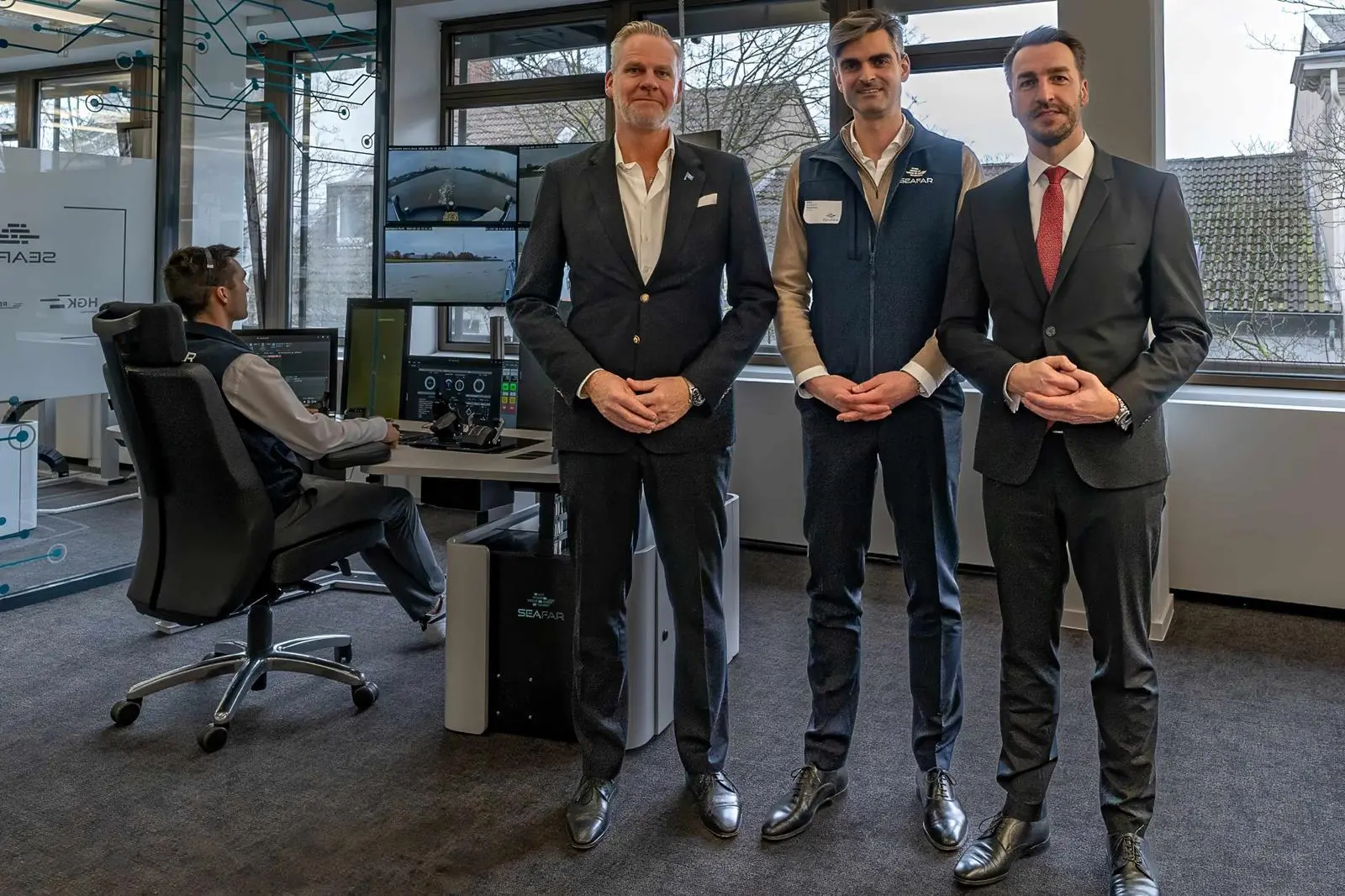
“These concepts, which involve fewer crew members, are already being successfully used for different types of inland waterway vessels in Belgium and the Netherlands and some of them are due to be controlled from the new Seafar base in Duisburg-Ruhrort too,” said Seafar chief commercial officer Janis Bargsten.
“Our move to include the inland waterways of Europe’s largest economy also represents a milestone for our company.”
The control technology has been created to resemble a wheelhouse, with an extensive camera system that gives captains the impression they are on board their vessels.
The “Remote-controlled operations from dry land can make this profession much more attractive,” said Deymann. “Being able to combine job and family through a job that’s close to your place of residence provides valuable incentives for staying in inland waterway shipping or launching a career in this business.”
Although the technology allows autonomy on these vessels, during the test phase the full crew will be on board, said a spokesman.
“Later, a second skipper may be fully substituted by a skipper in a remote operation centre as part of the reduced crew approach, but a helmsman will always be in the wheelhouse alongside other crew members on board.
“Truly autonomous navigation on major rivers is still a long way to go. The first projects may be on short stretches in canals – in Belgium unmanned barges are already being remote controlled – and in harbours.”