

Assessing the safety of remote pilotage and autonomy
The International Maritime Pilots’ Association (IMPA) is undertaking a groundbreaking study on remote pilotage and its potential use in both conventional ships and future autonomous vessels.
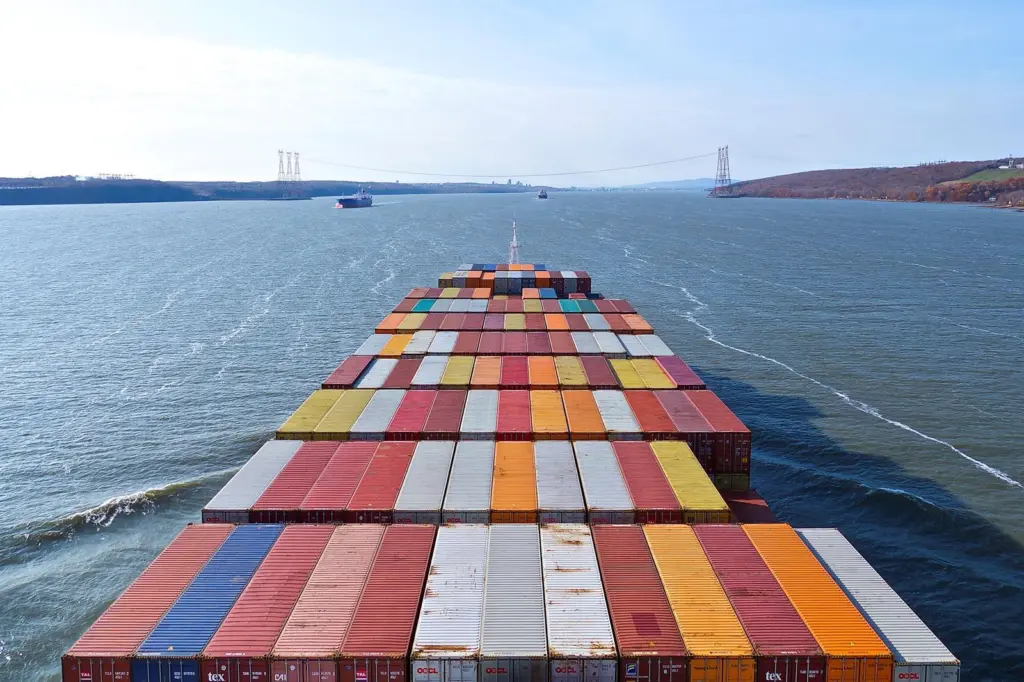
In collaboration with the Canadian National Centre of Expertise on Maritime Pilotage (NCEMP) and the Canadian Coast Guard, the study aims to assess the feasibility, safety and readiness of remote pilotage systems and their impact on current navigation practices.
“The number and variety of people talking about remote navigation and autonomy makes it necessary for IMPA to conduct a rigorous, objective analysis,” said Captain Simon Pelletier, President of IMPA.
“Our goal is to provide evidence-based guidance that helps industry stakeholders make informed decisions while maintaining the highest standards of maritime safety.”
Autonomous research
As autonomous and remotely navigated vessels become a growing focus within the shipping industry, this study is set to provide key insights for the future.
The project will explore both remote pilotage trials and new technologies, evaluating their risks, cost-effectiveness and impact on marine navigation.
It will also involve pilotage trials in Canada to ground-truth findings from previous research on shore-based systems.
This international initiative unites maritime pilots from over 50 countries, combining their expertise with academic and advisory insights.
With over two million acts of pilotage conducted annually, IMPA’s study will serve as a crucial resource for advancing remote navigation technologies while ensuring safety and efficiency in maritime trade.
Related Articles
 OTHER NEWS
 ELECTRICAL SYSTEMS
 VESSELS