


Skandia Gateway project enters next phase
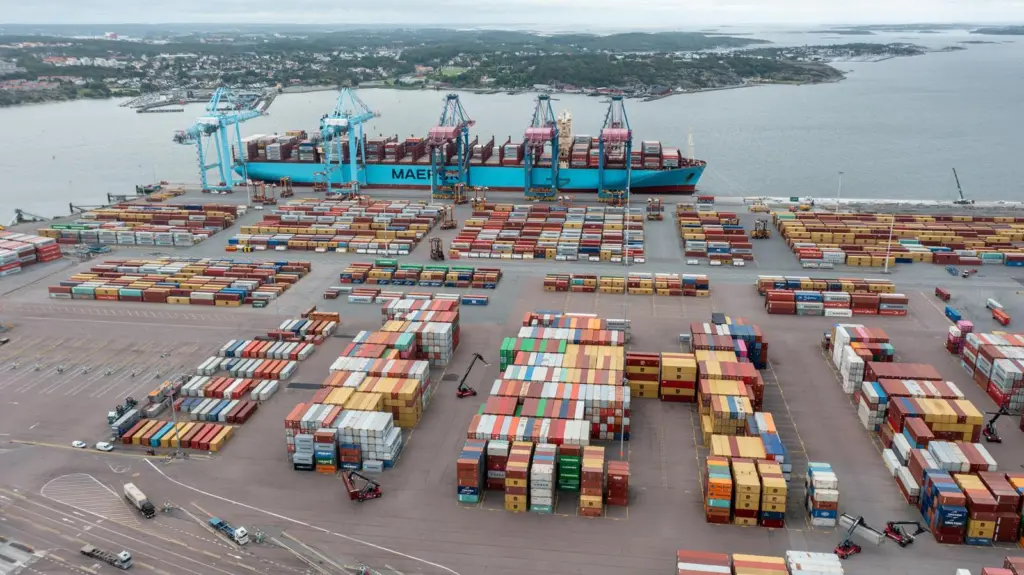
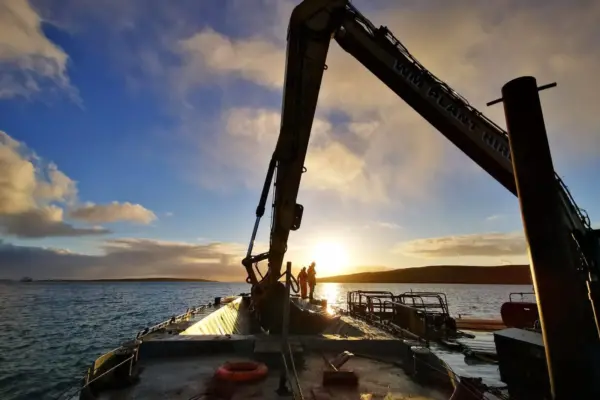
Blasting and dredging has begun at Sweden’s Port of Gothenburg as part of as project that will allow the world’s largest container ships to use the port.
The Skandia Gateway project is being run by the port and the Swedish Maritime Administration to address a growing constraint on the country’s trade.
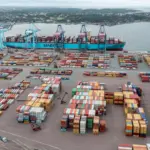
Gothenburg is the only Swedish port that can accommodate the world’s largest ocean-going vessels, but its existing fairway depth of 13.5 metres prevents some ships coming in at full load. The project aims to increase navigable depths to accommodate vessels drawing up to 17.5 metres, improving direct access to global markets.
Extensive quay reconstruction is needed, with underwater excavation, rock blasting, fairway deepening and upgraded navigational aids. The wider project also includes improvements to the turning basin outside the container terminal, allowing larger vessels to manoeuvre safely and supporting the handling of two large ships simultaneously.
Quay reinforcement completed
Since spring 2024, contractor NCC has reinforced the westernmost 700 metres of the container terminal’s southern quay as a prerequisite for deepening the water alongside the berth, where the seabed must be lowered without compromising the stability and functionality of the quay infrastructure.
“This is an important milestone for Skandia Gateway,” said Elin Dörrheide, the Port of Gothenburg’s project manager for quay reinforcement, calling the completed work a ‘major and technically complex quay project’’.
The reinforcement programme has involved substantial structural engineering beneath and behind the quay, preparing the waterfront to accommodate deeper-draught vessels and the associated terminal operations.
Dredging and blasting move forward
Boskalis Sweden began the port authority’s quayside works on last week. The operation covers the first 50 metres of water alongside the reinforced 700-metre quay and is expected to remove more than 200,000m3 of soft material and approximately 30,000m3 of rock. The work is scheduled to be finished next March.
The project’s environmental programme is also continuing, including monitoring of eelgrass and blue mussel beds in the Göta River estuary to improve understanding of the potential effects of dredging.
The port awarded Boskalis a contract worth approximately SEK 202 million (€18 million) in April 2026 for this package. Jan Andersson, the port’s project manager for Skandia Gateway, called the appointment of the contractor “one of the final major milestones” in the port’s contribution to the programme.
Wider fairway works planned for 2027
The larger phase is still to come. The Swedish Maritime Administration is procuring the extensive blasting and dredging needed to deepen and widen the approach channel and turning basin, alongside modifications to navigational aids.
A contract for this work is planned for early 2027, with construction to begin in August.
The completed project is designed to accommodate container ships up to 430 metres long and 65 metres wide, which is around 30 metres longer and five metres wider than vessels currently calling at the terminal.
“This is an investment for many decades to come,” Dörrheide said, describing the project as a way to strengthen the port’s capacity and competitiveness and improve Swedish industry’s access to global markets.
With the quay reinforcement finished and the first dredging operation under way, Skandia Gateway has moved from major structural preparation into seabed engineering.
The next decisive steps will be the award and delivery of the wider fairway contract, followed by the integration of the deepened channel, turning basin, quay and navigation systems into an operational route for larger vessels.