![MaritimeJournal[Seawork]](https://www.maritimejournal.com/wp-content/uploads/2026/09/MaritimeJournalSeawork.svg)

United in Dover: Ports association CEO talks to Maritime Journal
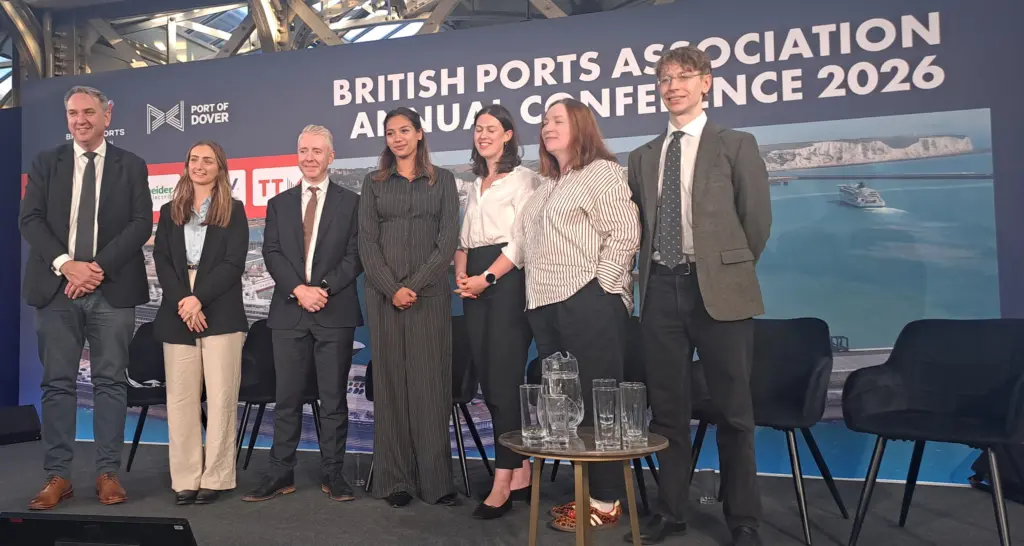
There are three main challenges facing ports today, the host of this year’s British Ports Association (BPA) conference told 450 delegates in Dover – and with cohesion and determination, they could be overcome.
Resilience, growth and energy and sustainability were the keys to a successful industry, said Dover Port CEO Doug Bannister, who is also chair of the BPA.
The conference was held at the Port of Dover for the second time in its history, with 450 delegates and a number of exhibitors filling Cruise Terminal One for two days.
Richard Ballantyne, chief executive of the BPA, described the event as a “really great conference” that had become an important annual tradition, allowing the sector to “learn, share and kind of speak as one”. Here our interview with him here:
Despite pressures ranging from cybersecurity, shore power and decarbonisation to geopolitical uncertainty, Ballantyne said the industry was continuing to demonstrate resilience.
“It’s always a challenge in the sector, but we’re here, we respond, we keep country trading, we keep Britain open for business,” he said. “Broadly, we’re quite upbeat still as a sector.”
Speakers and panels discussed a wide range of topics, from cyber security and AI to shore power, alternative fuels and safety – look out for more details about this in further issues.
UK Maritime Minister Keir Mather also attended, sitting in a Q&A session and promising the ports industry would be listened to.
Describing the minister as a “very impressive and connected individual”, Ballantyne said the BPA had fully briefed him on the sector’s priorities and received “some very warm words” during his visit.
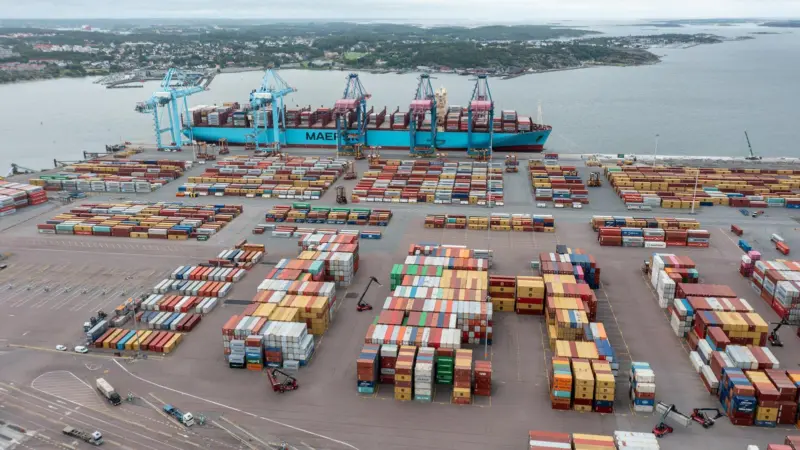
Ballantyne also stressed the vital contribution ports make to the UK economy, handling up to 95% of the nation’s goods and basically, keeping the country moving.