
Norway awards €380m for future floating offshore wind engineering
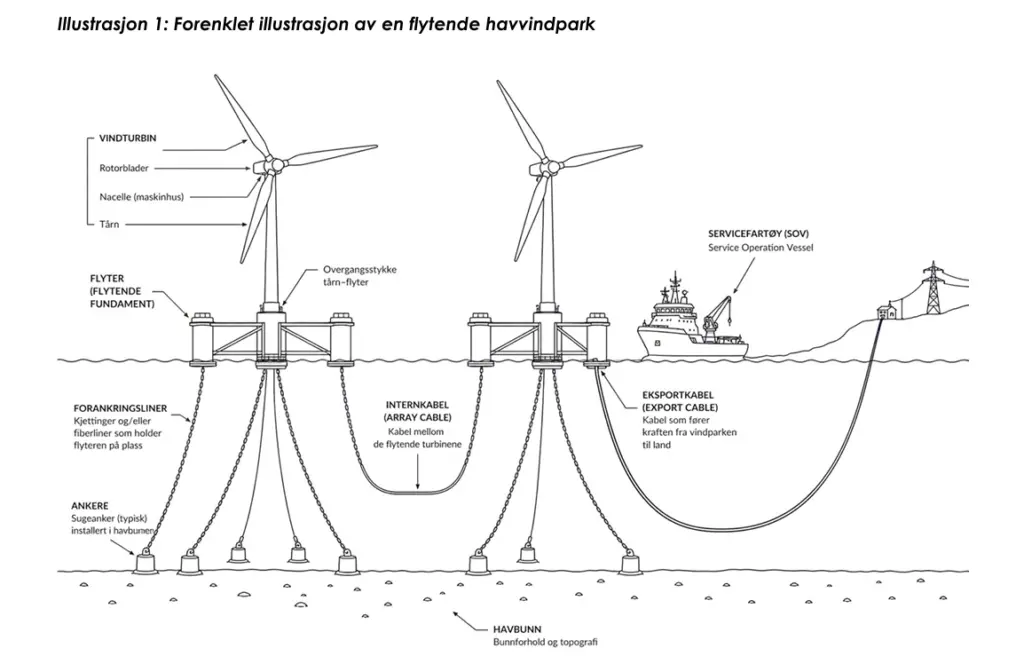
Norway has committed €380 million to two floating offshore wind projects that will test next-generation foundations, mooring systems and installation techniques for some of the largest turbines yet deployed on floating platforms.
State-owned energy enterprise Enova announced NOK4 billion (€380 million) in funding, awarding roughly half each to Fortius Offshore Wind and Fram Wind Solutions.
Both developments will be installed at the Marine Energy Test Centre (METCentre) demonstration site off Karmøy, western Norway. Each project plans to install two 18.5MW floating wind turbines, delivering a combined capacity of 74MW.
The programme aims to address key engineering and commercial challenges facing floating offshore wind, including developing foundations capable of supporting increasingly powerful turbines, improving mooring arrangements and making construction and installation more efficient.
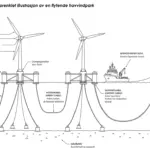
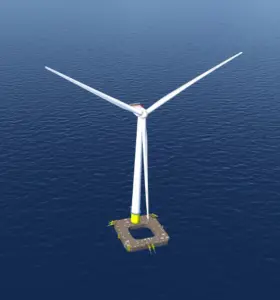
The Fram Wind Solutions project will use BW Ideol’s patented Damping Pool floating foundation technology, which uses a ring-shaped floating structure with a large, open-bottom central chamber, or moonpool, engineered to dampen wave-induced movements and improve platform stability. The technology can be made in concrete or steel and scaled for larger turbine capacities.
BW Offshore, which owns 50% of Fram Wind Solutions alongside Grieg Kapital and Fram Green Technology, welcomed the funding.
“The Enova grant is a strong endorsement of our floating wind solution,” said chief executive Marco Beenen. “It will enable us to deploy BW Ideol’s technology on the next generation of turbines and move floating offshore wind to commercial scale.”
Finance
The grant is conditional on the project reaching a final investment decision, securing financing and entering into key supplier agreements within 24 months.
Across both developments, the four turbines are expected to generate about 300GWh of electricity a year, equivalent to the consumption of around 15,000 households.
“If they succeed in making offshore wind technology profitable enough, it will be a major step toward faster, large-scale deployment of renewable power,” said Enova chief executive Evy Glørstad. “Both Norwegian industry and the transport sector need this to reduce their climate emissions.”
The projects were selected through a competitive funding process, with applications assessed on energy production, potential for wider technology adoption, environmental impacts and prospects for reducing future costs.
The demonstration programme aims to provide engineering and operational experience to support the development of commercially viable floating offshore wind farms.