



MCA publishes draft towing guidance
The increasing number of floating and partially submerged offshore structures has prompted the UK’s Maritime & Coastguard Agency (MCA) to set out draft guidance on towing requirements.
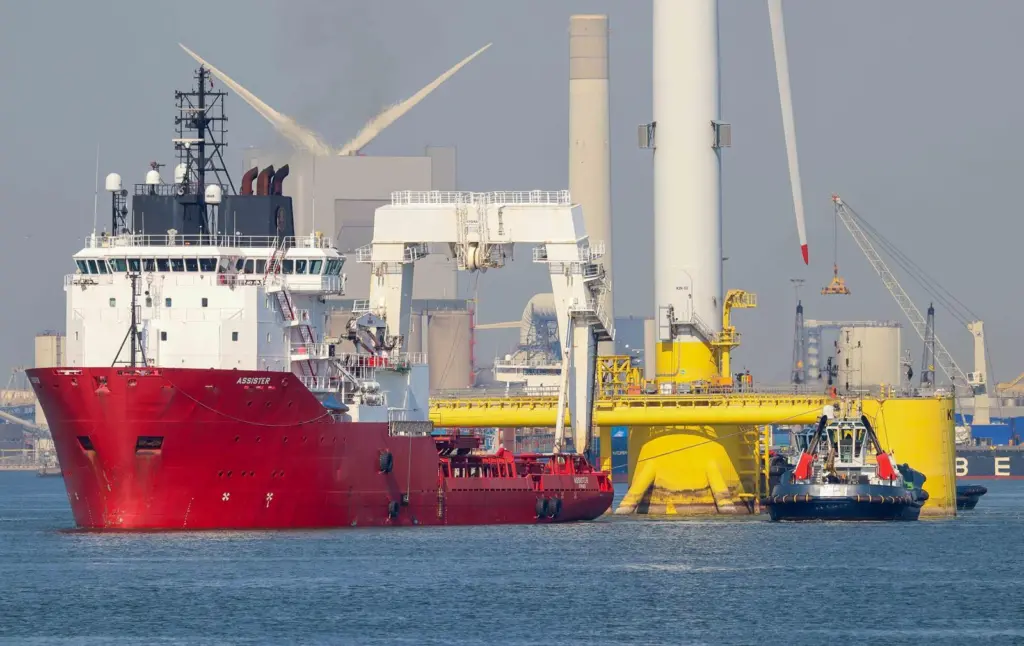
Evolving marine technology, in particular with offshore renewables and aquaculture, is seeing increased activity in the transport of structures, be it as deck cargo or towed to sites in UK Internal Waters, Territorial Sea and EEZ, either from UK ports or overseas locations.
UK towage requirements are well established and while the MCA’s draft guidance does not introduce new requirements, it provides operators with the necessary information for obtaining relevant approvals prior to the towage.
The guidance indicates the increased activity of late in particular sectors including offshore renewables and aquaculture, but excludes oil and gas infrastructure.
Requirements
Evidence for obtaining or meeting the following requirements are required by the MCA prior to the towing of floating or partially submerged structures: Load Line Certification, MARPOL, Ballast Water, Wreck Removal, Inventory of Hazardous Material and Emergency Towing.
While not a ‘vessel’ in the conventional sense, aspects of floating and partially submerged structures do fall under Merchant Shipping legislation, exact requirement dependent on specifics of the structure, operation and mode of delivery.
There is no requirement for a structure to be classed with a Classification Society if towed and operating domestically in UK waters, but vessel registration is required for “international” voyages, ie towed from a non-UK harbour to a site within UK waters or EEZ and vice versa.
If towed beyond the limits of UK categorised waters, Merchant Shipping (Load Line) Regulations 1998 apply, requiring survey by the MCA or delegated authority. In most cases a UK Load Line Exemption Certificate will be applicable, for which the draft document outlines requirements.
Where MARPOL survey and certification is required, MCA may be willing to waive requirements for annual endorsement, subject to detail. This will only apply in UK waters.
If the structure is operating exclusively within UK Categorised waters, alternative requirements may be applicable for air pollution and anti-fouling requirements.
With ballast water, MCA’s draft guidance says that if operating internationally, Ballast Water Convention requirements apply irrespective of tonnage, dependent on the ballasting capabilities and arrangements of the structure. MGN and MSN regulations apply.
In accordance with the Nairobi International Convention of the Removal of Wreck 2007, vessels including floating platforms (except when on location) with a gross tonnage of 300GT or more require financial security or insurance to cover costs of locating, marking and removing wrecks.
An inventory of hazardous materials in line with UK Ship Recycling Regulations may apply with the appropriate certificates required, and MCA points to the applicable MGN for details.
Emergency procedures
Towing any of the structures mentioned above will hopefully end safely and successfully, but of course as with any towing operation the unexpected can happen, including where a floating structure breaks free from its tow or moorings and becomes a navigational hazard.
Arrangements must be in place to allow for emergency towage and the recovery of the structure to a suitable location.
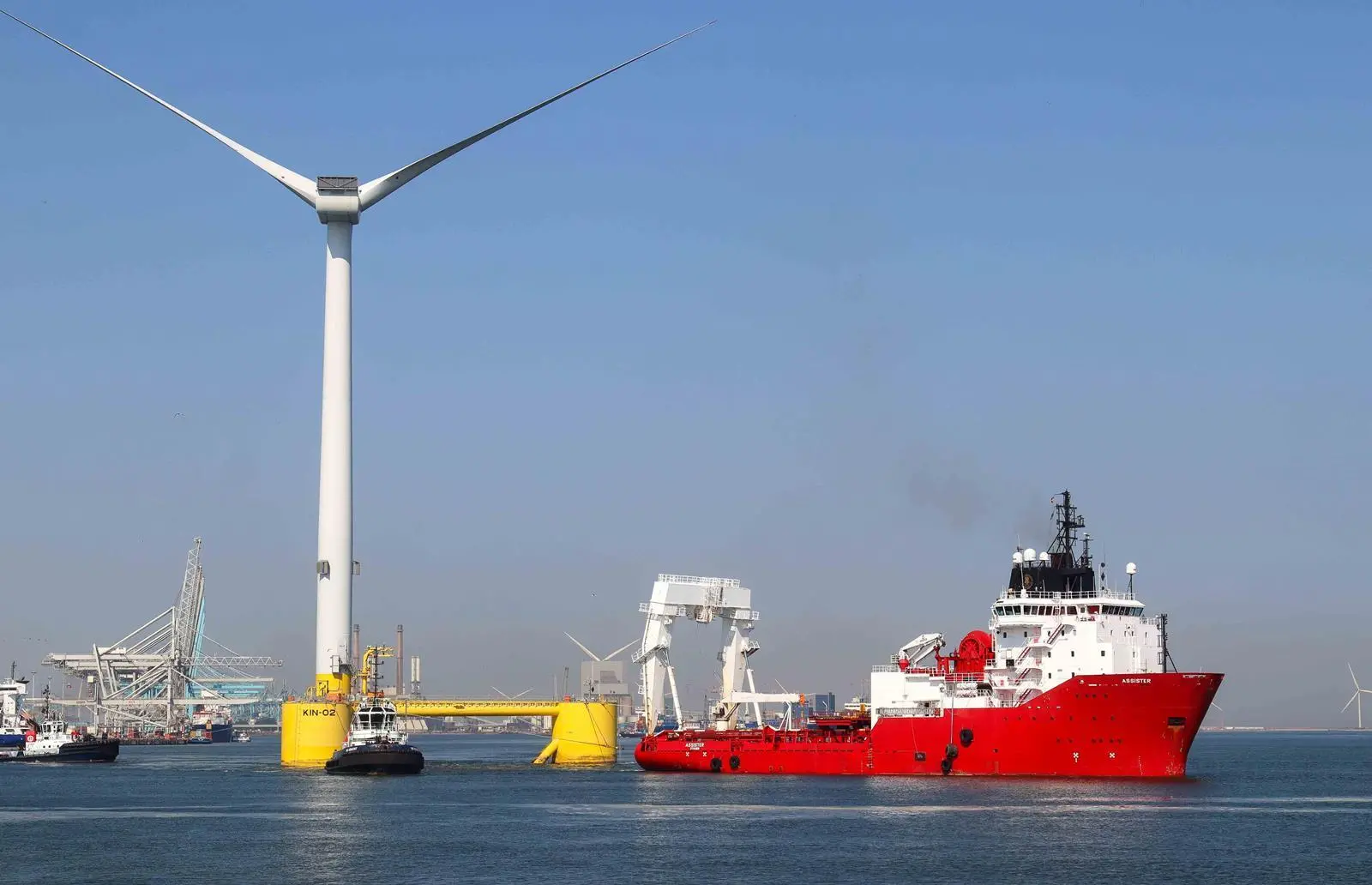
These arrangements will be reviewed as part of the marine license or consent requirements through the devolved marine licensing authorities.
The draft guidance says that in these circumstances the concept of force majeure would apply, whereby survey and certification requirements would not be applicable to the extent necessary to bring the structure to a safe haven.
It should not be assumed, however, that a port or harbour authority would allow a structure to enter its area of jurisdiction.
The final requirement in the document highlights that wet storage requirements apply to the temporary storage of equipment and infrastructure in the marine environment required in the construction phase.
Marine licences and associated impact assessments on wet storage locations should be applied and undertaken as per MGN 654 (M+F) Guidance on UK Navigational Practice, Safety and Emergency Response as appropriate, with such locations identified including consultation with MCA and relevant maritime stakeholders.
While saved until last, this important Marine Guidance Note (MGN 654) concerns the safety of navigation related to Offshore Renewable Energy Installations.
This extensive but important document outlines in detail all aspects related to the subject above and provides the foundation to ensuring a safe operation.
Related Articles
 OTHER NEWS
 SPONSOREDSTORY
 INDUSTRY NEWS