




Engine fire linked to poor state of repair
A report into the engine room fire on Ro-Ro passenger ferry Stena Express in February 2023 has concluded bad repair and inadequate modifications led to the incident.
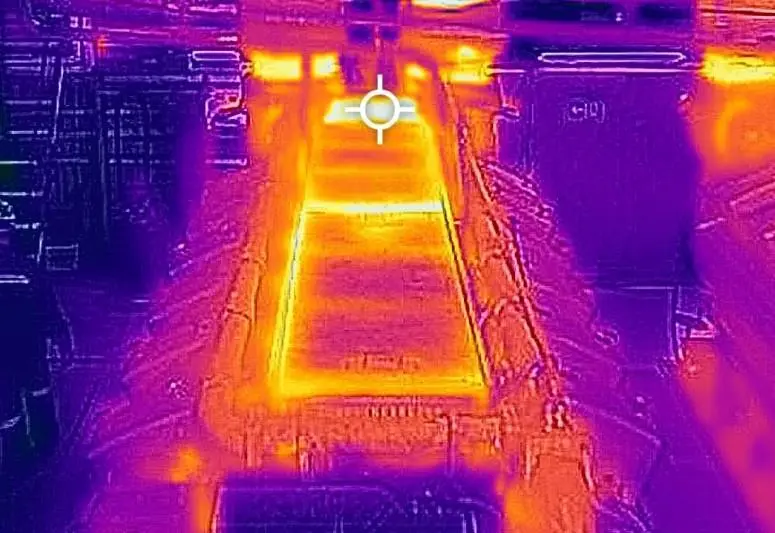
An uncontrolled release of pressurised fuel sprayed onto the engine’s manifold, which was at 220oC, the report said, yet modifications to the engines that had been done to just one out of four of them could have prevented the leak.
The insulation on all of its engines was ‘in a poor state of repair’ or missing completely, the report said, and inspections had been carried out by crew with ‘insufficient awareness of the task’.
The fire broke out in the engine room of the UK-registered passenger ferry Stena Europe en route to Wales from Ireland at 9pm, February 11.
“The fire caused significant damage to the port main engine room and rendered one of its four main engines inoperative for several weeks,” the UK Marine Accident Investigation Branch (MAIB) said. “The fire was caused by fuel leaking under pressure from the fuel system of main engine number 3 and igniting on an exposed hot surface. No one was injured and there was no pollution.
“The investigation found that the fuel had ignited on part of the engine’s exhaust system that had a surface temperature of over 400°C. The post-accident inspection on board Stena Europe identified that much of the protective shielding around the fuel systems on all engines was in a poor condition or missing, and exposed hot surfaces of over 220°C were found on all running engines.”
The reports says the crew ‘had become accustomed’ to the condition of the insulation over time, ‘had insufficient awareness of the task, and the planned maintenance system and manufacturer’s manual provided limited guidance’.
Stena, it said, did not identify that the requirement for defect reporting was not being met with regard to the problems of recurring leaks, and that management had not fully established the link between recent fires on vessels within the Stena fleet due to fuel leakage on three out of four of the ferry’s engines.
This meant they ‘missed the opportunity to initiate the manufacturer’s recommended upgrade from the two-screw to the four-screw flange connections’.
The report concludes that only one of the four engines had its external fuel system fitted with the engine manufacturer’s recommended fuel system modification, and the risk of fuel leakage from the other three engines ‘remained high’.
Related Articles
 OTHER NEWS
 OTHER NEWS
 SPONSOREDSTORY