





BTA revises standard towage conditions document
The British Tugowners Association (BTA) has revised its UK Standard Conditions for Towage and Other Services (UKSCT) to align it with the contemporary world of, among other things, automation, electronic systems and digitalisation.
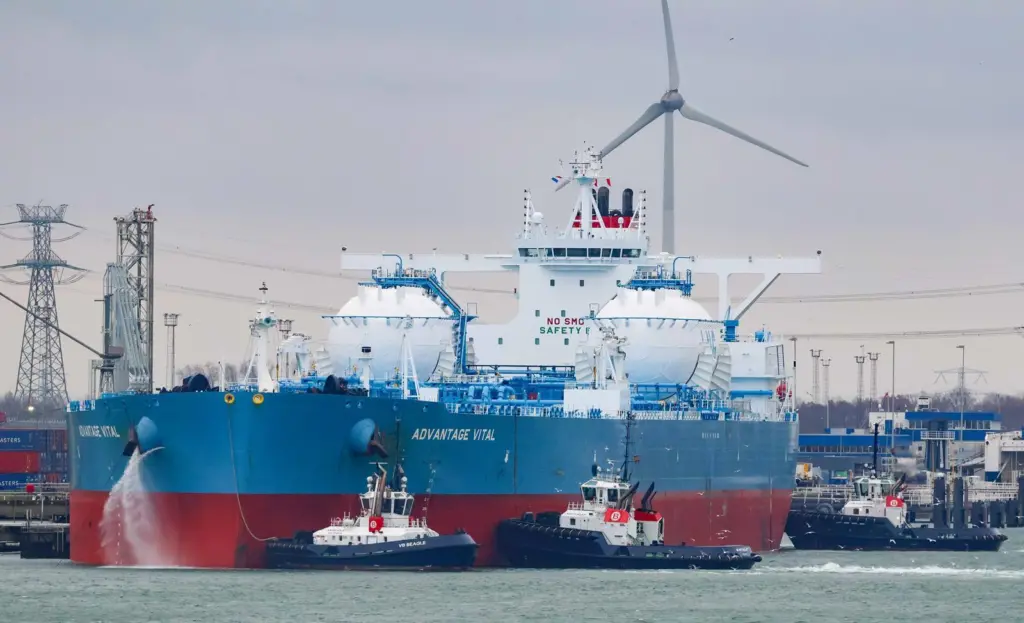
BTA’s comment: “Towage is complex and places tugs in potentially hazardous positions where they are often under the direction of a third party, be that a ship master or pilot” is a simple but eloquent description covering, for example, shiphandling operations, and emphasises the importance of establishing clear understandings that will not only make for safe day-to-day activities, but satisfy the scrutiny of the courts when required.
Specifically, UKSCT provides the legal assurances required for insurers to provide cover to tugowners who provide the services. It is also designed to allow claims to be dealt with promptly for the benefit of both insurers and the assured.
“Therefore, it is important that the intention of the provisions are made clear,” BTA says.
Updates
BTA are custodians of the UKSCT, which has been revised on several occasions since its inception in the 1920s, but it was back in 1974 that the last comprehensive review of the document took place. A subsequent update in 1986 incorporated UK legislation that was considered at the time to be necessary to be reflected in the conditions.
The wording introduced in 1986, however, led to some tug operators in the Commonwealth, in particular in Canada, New Zealand and Australia, continuing to use the more generic 1974 document.
While acknowledging this, the 1986 revision is considered to be understood and applied widely in courts across many jurisdictions but it “lacks the language to allow it to be relevant in a contemporary world of among other things automation, electronic systems and digitalisation.”
In addition, some of the legislation the 1986 revision sought to deal with, including the Unfair Contract Terms Act (1977), is now better understood and tested in the courts, and as such the 1986 version amendments can now be updated to reflect the tested interpretation of those laws or, in BTA’s words: “Simply put, while the 1986 UKSCT version was in many respects functioning well, it required modernisation.”
Engagement
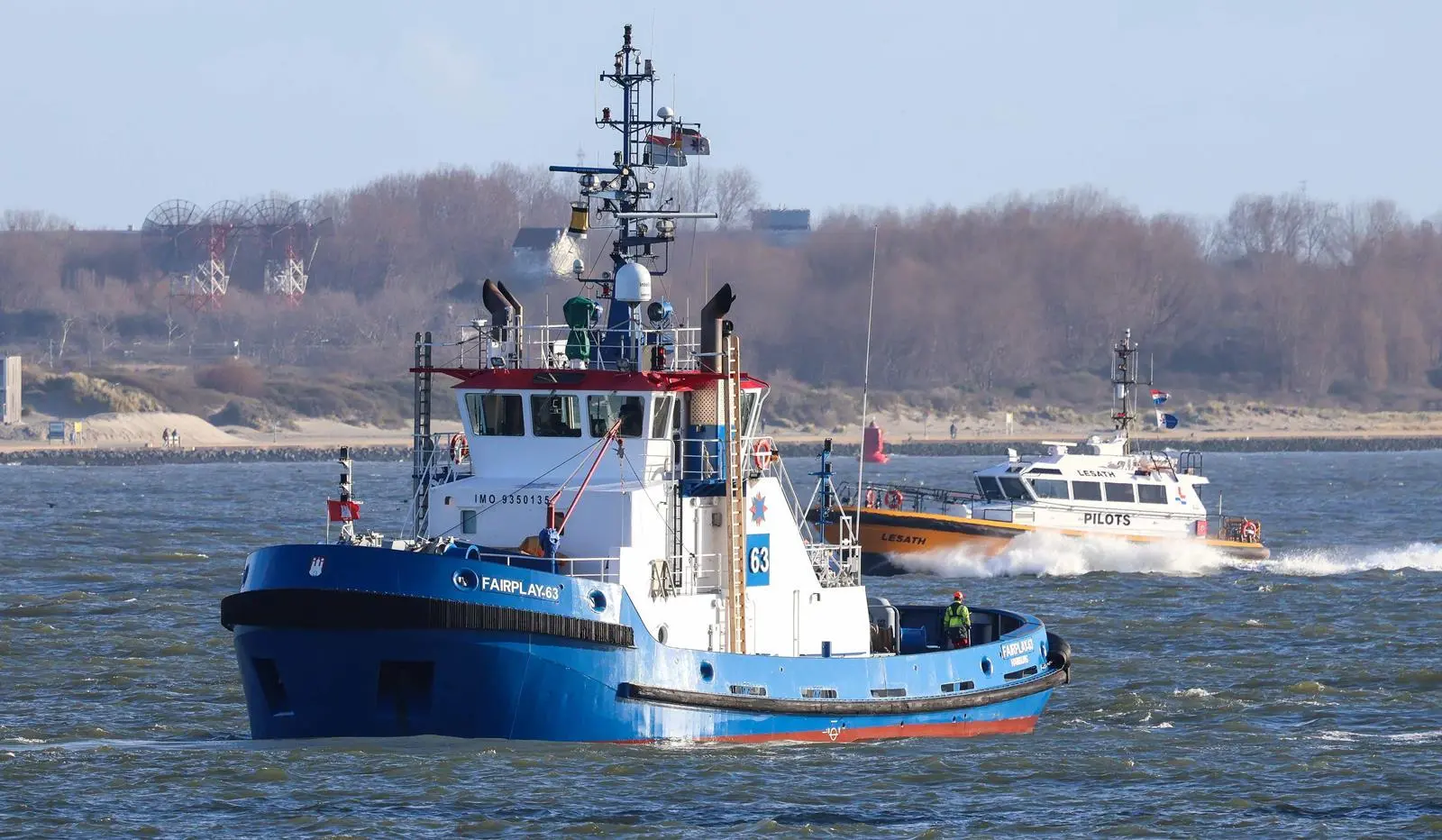
BTA engaged with wider industry and interested parties to establish a panel in 2023 to review the conditions, the review panel including members drawn from the BTA, the International Group of P&I Clubs, senior admiralty lawyers from several prominent international firms, the UK Chamber of Shipping and a Fellow of the Chartered Institute of Arbitrators.
Appendix 1 contains the Conditions themselves, largely written in the style of a legal document. Appendix 2 contains explanatory notes including the meaning of key words and phrases used, in particular those which govern the liability regime.
The wording in appendix two includes rearrangement of the order of definitions and at a more practical level considers aspects such as where with modern communication technology there is no material concept of the tug being in physical proximity of the tow to receive orders.
A short definition of ‘hirer’ has also been included as this was previously undefined, in contrast to the term ‘tugowner’. Where the conditions previously used two terms to refer to the vessel being assisted, both ‘vessel’ and the ‘hirer’s vessel’, for simplicity only the term ‘vessel’ has been retained in this revision.
Nick Dorman, chair of the review panel, on behalf of BTA thanked the members of the review panel – Paul Dean, Robert Gray, Ben Harris, Nick Jeffery, Nicholas Kazaz, Fabien Lerede, Alex McCooke (coordinator), Robert Merrylees, Robert Shearer and Simon Tatham for their ‘engagement, professional expertise and diligence culminating in the 2024 version of this longstanding and effective towage agreement’.
The UKSCT documents including appendixes can be found here.
Related Articles
 OTHER NEWS
 SPONSOREDSTORY
 INDUSTRY NEWS