

‘Fuel of the future’ GLEAMS at Seawork
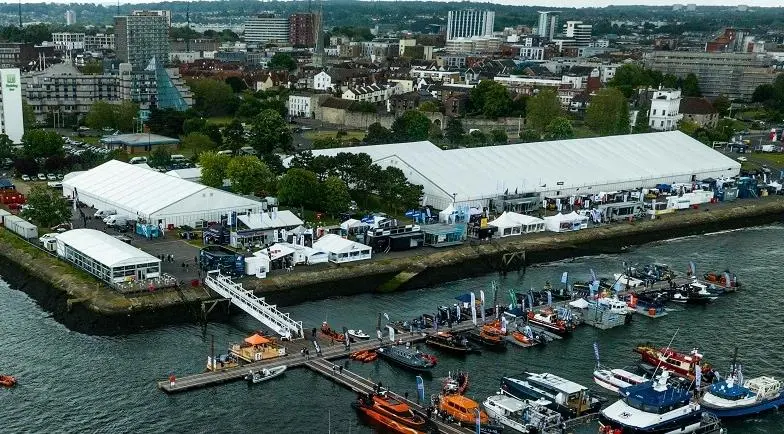
The question “Will my ship (or workboat) run on this?” will be a hot topic at Europes largest commercial marine exhibition, Seawork 2014.
Hosted by the GLEAMS (Glycerine Fuel for Engines and Marine Sustainability) project, this workshop will explain why glycerine is an attractive proposition for use as a marine fuel and gather feedback from delegates interested in alternative fuels for the ships and boats of tomorrow.
The event will be held during Mercator Media Ltd’s Seawork on Wednesday 11 June 2014 at 2:00 PM.
The Technology Strategy Board ‘GLEAMS’ project is currently investigating technology by which marine vessels will be able to surpass the very highest regulatory standards required for sulphur and nitrous oxide emissions, as well as slashing their carbon emissions and potentially reducing fuel costs.
Glycerine is a by-product of the expanding bio-fuel industry; its characteristics make it attractive for marine applications:
- Burns with higher efficiency that diesel
- Very low NOx emissions
- No sulphur emissions
- Virtually no particulate matter
- Non-toxic, water soluble and nearly impossible to ignite accidentally
- Requires modification only to the external engine aspiration system
- Readily retro-fitted
- Engine technology proven through use in combined heat and power plant
Glycerine has a relatively low energy density compared to fossil fuels, meaning a greater volume would have to be carried for a given range. However glycerine’s low-hazard nature would allow storage in locations currently unsuitable for more hazardous conventional fuels.
Although glycerine can be used in diesel engines of any size, until a comprehensive distribution network is established GLEAMS will concentrate upon markets where limited volumes of fuel are required and bunkering typically takes place at a single location.
Potential early adopters could include offshore support craft; ferries; survey vessels; port/pilot boats; fishing vessels; dredgers; marine police and other small commercial and leisure marine craft. Pollution hazards associated with vessels operating in environmentally sensitive areas could be substantially reduced by the benign characteristics of glycerine.
During the GLEAMS Seawork event, the project will present and discuss the potential benefits and drawbacks of using glycerine as a marine fuel and explore remaining commercialisation barriers. As part of the GLEAMS project a glycerine fuelled marine type-approved generator is being tested to a marine duty cycle specified by Lloyd’s Register while comprehensive emissions measurements will be collected by Redwing Environmental. For those who may doubt if an engine can run on glycerine, Gardline Marine Sciences and Aquafuel Research will be demonstrating the test engine during Seawork.
The project is keen to gather feedback from the marine community and delegates will be invited to contribute their professional experience and help shape the future direction of this new technology during the conference session.
Anyone wishing to attend must first register as a member of the GLEAMS ‘Interest Group’. The Group is free to join. Following successful registration you will receive an invitation to the event. Further news and information on the project is available on the GLEAMS ‘Interest Group’ website.