


UK earmarks £700m for ‘Net Zero’ shipping
The UK Chamber of Shipping has put £700 million (€836 million) on the table so that shipping can reach ‘Net Zero’ by 2050.
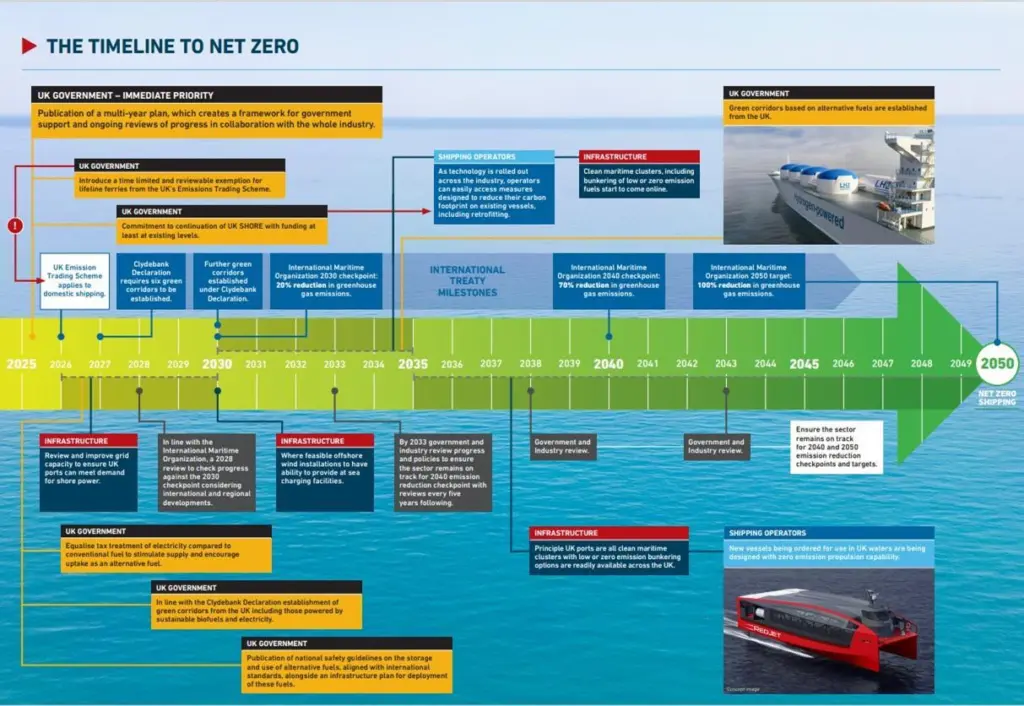
Key to the plan, it says, is cooperation between the industry and government.
Recommendations include more research and development funding; provision of shore power; saving ferry services from having to pay costly emissions fees ‘until they can fully decarbonise’; and ‘ensuring the UK maritime sector has the necessary skills and workforce for the future’.
A ‘Timeline to Net Zero’ set out by the Chamber says a UK Emission Trading Scheme must apply to domestic shipping by 2026. Under the ‘Clydebank Declaration’, a number of green corridors are to be established up to 2030, which is also when greenhouse gas emissions should have been reduced by 20% – a treaty milestone under the International Maritime Organisation auspices.
The IMO states that emissions should be reduced by 70% by 2040 and 100% by 2050.
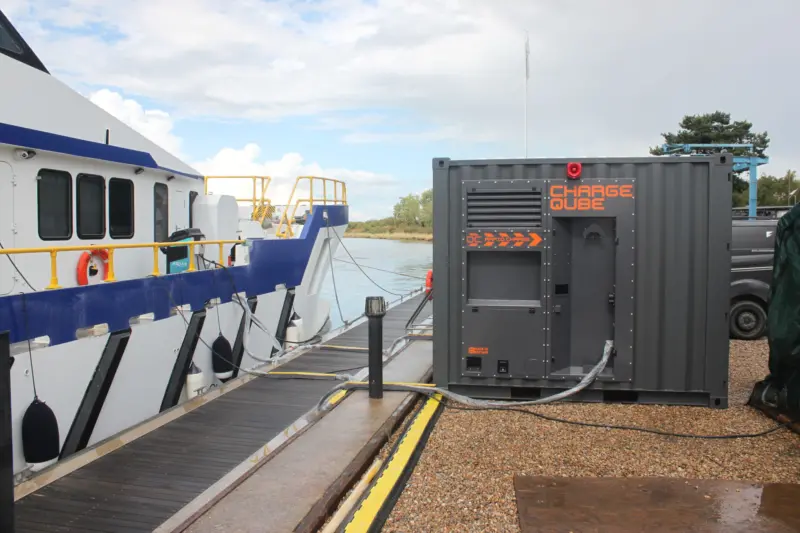
Before 2027, there must be a review and improvement of grid capacity to enable shore power to be enacted, under the timeline, and by 2030, sea-charging facilities for offshore wind farms must be provided ‘where feasible’.
Every five years there will be a review of progress by industry and government, with the ultimate goal of no net emissions by 2050.
The UK is of course not alone in designating funds to shipping for decarbonising efforts.
Notably, Sweden is keen on electrifying its ferries and the government has co-funded several projects to achieve this; Norway, Denmark and Germany are making investments into future fuels and electrification; and the Royal Association of Netherlands Shipowners is working closely with its government on green shipping corridors.
Related Articles
 ELECTRICAL SYSTEMS
 ENVIRONMENT
 ENVIRONMENT